
Max Win Slots: Biggest Multipliers and How to Verify Them

Max win slots are games whose math models cap single-spin or feature payouts at a hard ceiling expressed as a multiplier of your bet. Most titles sit somewhere between 500x and 50,000x. The extreme outliers push far beyond that: Tombstone R.I.P. by Nolimit City advertises 300,000x, and Judgement Day Megaways by Red Tiger is cited at 100,000x on the developer page. Those numbers are real in the sense that the code enforces them. Whether you'll ever see one is a different conversation entirely.
A few things worth keeping in mind before you spin a single reel:
- Max win is a ceiling, not a target. The advertised multiplier is the most the game will ever pay on one spin or feature sequence. It says nothing about how often that happens.
- RTP and max win measure different things. RTP controls your long-run return across thousands of spins; max win describes the extreme right tail of possible outcomes.
- Casino cashout caps can override the game's own ceiling. A $0.50 bet on a 100,000x title theoretically yields $50,000, but your operator's bonus terms may cap withdrawals at $500.
Table of Contents
- What does "max win" actually mean in a slot?
- How game math creates extreme max wins and high volatility
- Which slots have the highest advertised max wins?
- How realistic is hitting a max win? Probability in plain terms
- How to manage your bankroll on high-max-win slots
- Why the advertised max win might be unreachable at your casino
- How to verify an advertised max win yourself
- Key Takeaways
- Why players chase max wins and when it actually makes sense
- Stakestats makes it easier to check before you spin
What does "max win" actually mean in a slot?
The max win is the absolute theoretical ceiling on what a single spin or completed feature sequence can pay, expressed as a multiplier of your stake. It is hard-coded into the game's math model by the developer. Nothing you do during play can push the payout above it.
Here is what that looks like in practice. A game with a 10,000x max win pays at most $10 on a $0.001 bet and at most $5,000 on a $0.50 bet. Scale the stake, scale the ceiling proportionally. That relationship matters because players sometimes assume a higher stake unlocks a bigger multiplier. It does not.
Max win is not the same as a progressive jackpot, which grows with play and has no fixed ceiling. It is also not RTP, which is the percentage of all wagered money the game returns over millions of spins. And it is not hit frequency, which measures how often any win lands at all. Think of them as three separate dials: RTP governs the long run, hit frequency governs how often you win something, and max win governs the single largest thing that can happen.
- Progressive jackpot: no fixed ceiling, grows over time, separate prize pool
- RTP: long-run return percentage across all outcomes
- Hit frequency: share of spins that produce any payout
- Max win: the hard single-event payout cap, expressed as a multiplier
How game math creates extreme max wins and high volatility
Developers work with a fixed RTP budget. Every percentage point of return has to be allocated somewhere across the outcome distribution. When a studio decides to advertise a 100,000x ceiling, it has to concentrate a meaningful share of that RTP budget into outcomes that are extraordinarily rare. The result is a game that pays out very little most of the time and occasionally produces a massive result. That is the definition of high volatility, and it is why extreme max-win ceilings and high variance are inseparable.
The mechanics that make outsized single-spin totals possible generally fall into a few categories:
- Stacked multipliers: free-spin sequences where each spin adds a multiplier to a running total, so a 10-spin bonus might accumulate 5x, then 10x, then 25x on a single symbol hit
- Cascading wins: symbols removed after each win, replaced by new ones, with multipliers increasing on each cascade within a single spin
- Megaways: dynamic reel sizes that can produce hundreds of thousands of ways to win simultaneously, amplifying a single high-symbol hit
- Expanding reels: reels that grow during a feature, adding rows and multiplying the number of active paylines
A concrete scenario: imagine a free-spin round where each spin adds 1x to a persistent multiplier and a wild symbol doubles it. By spin 8, the multiplier might be sitting at 32x. Land the top symbol combination on that spin and the payout is 32 times what that combination would normally pay. Chain several such spins and you approach the cap. When the pay sequence reaches the cap, the game engine stops the feature immediately so payouts cannot exceed the coded limit. That abrupt ending mid-bonus is not a glitch; it is the enforcement mechanism.
Which slots have the highest advertised max wins?
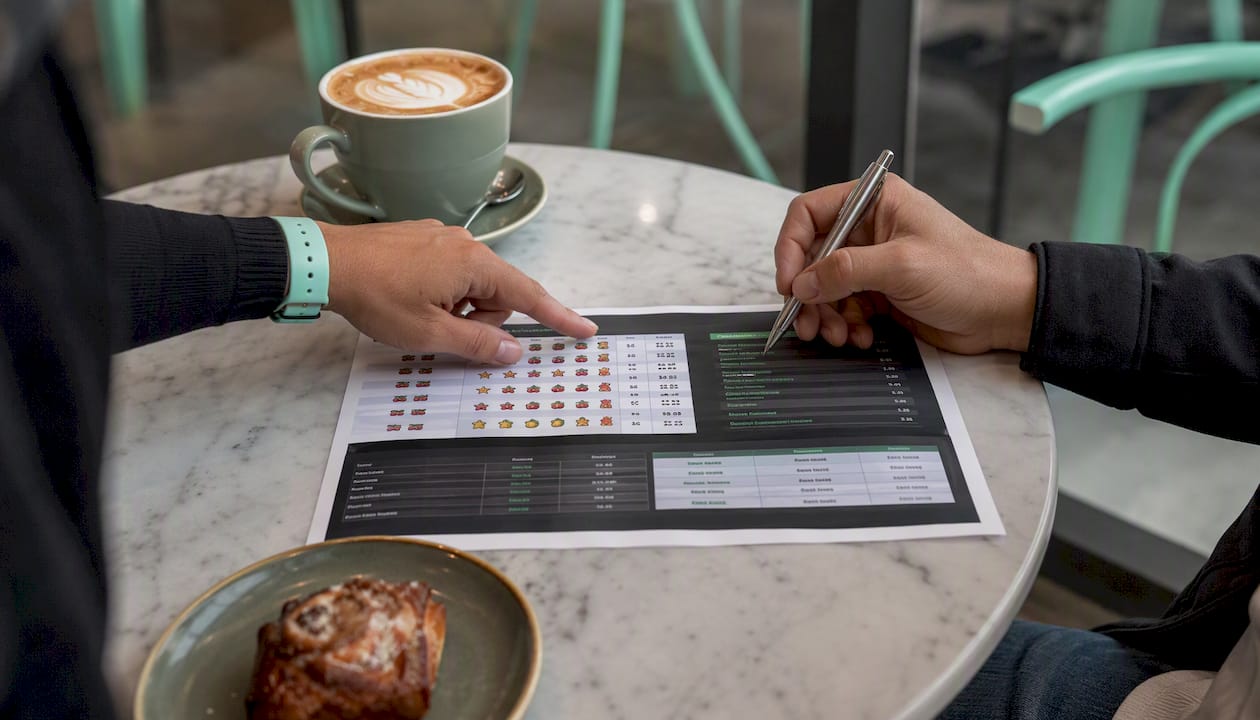
The table below covers the nine featured titles most often cited in community threads and developer documentation for extreme multiplier ceilings. Advertised multipliers come from developer paytables and market roundups.
| Slot | Developer | Advertised Max Win | Core Mechanic | Attainability Notes |
|---|---|---|---|---|
| Judgement Day Megaways | Red Tiger | 100,000x | Megaways + multipliers | Developer paytable publicly listed; check operator T&Cs |
| Tombstone R.I.P | Nolimit City | 300,000x | xNudge Wilds, xSplit, free spins | Rated "insane" volatility by developer; bonus buy where permitted |
| Wanted Dead or a Wild | Hacksaw Gaming | Very high (community-cited) | Multiplier chains in bonus | Extreme ceiling tied to bonus mechanics; verify with operator |
| Chaos Crew 2 | Hacksaw Gaming | Very high (community-cited) | Stacked bonus rounds | Feature chains required; casino cashout caps apply |
| Razor Shark | Push Gaming | High (community-cited) | Multiplier free spins | Multiplier-driven sequences; confirm paytable before play |
| Bonanza | Big Time Gaming | High (community-cited) | Megaways + cascades | Cascading wins on Megaways grid; verify current paytable |
| Gates of Olympus | Pragmatic Play | High (community-cited) | Cluster pays + multiplier tumble | Multiplier accumulates across tumbles; operator caps vary |
| Dog House Megaways | Pragmatic Play | High (community-cited) | Megaways + sticky free spins | Megaways variability; check bonus terms |
| Max Win Machine | Hacksaw Gaming | High (community-cited) | Single-line mechanics | Simple structure; advertised cap clear in paytable |
Note: While community roundups reference ceiling claims up to 250,000x, the highest developer-published max win in the featured list is 300,000x for Tombstone R.I.P by Nolimit City.
A few caveats worth reading before you pick a title. Experienced players recommend cross-referencing the advertised cap with operator T&Cs, because casino-imposed max cashouts and bonus clauses frequently limit the practical value of very large advertised multipliers. Judgement Day Megaways is a useful benchmark here: Red Tiger publishes its 100,000x ceiling directly on the developer page, which is the kind of primary-source confirmation worth seeking for any title before you commit real money.
Pro Tip: Before playing any high-multiplier title, pull up the developer's official game page and screenshot the paytable. That document is your ground truth if a dispute arises with an operator.
How realistic is hitting a max win? Probability in plain terms
The short answer: hitting an extreme max win is vanishingly rare. The chance of hitting is often 1 in millions or billions for the largest multipliers. That is not marketing pessimism; it is the mathematical consequence of concentrating RTP into rare outcomes.
To make that concrete, consider a game where the probability of hitting the max win is 1 in 100,000,000 (one hundred million). A player spinning 500 times per hour for four hours a day, every day, would complete roughly 730,000 spins in a year. At those odds, they would expect to hit the max win once every 137 years of play at that pace. Most players never approach that volume.
A few factors shift the practical probability, though none of them dramatically:
- Feature structure: games that require multiple bonus conditions to align simultaneously (e.g., max multiplier AND top symbol combination) have lower max-win probability than games with a single trigger path.
- Bonus buy: purchasing direct bonus access increases the frequency of entering the feature but does not change the probability of hitting the max win within the feature. It also costs more per attempt.
- Stake size: the multiplier stays fixed regardless of stake, so a higher bet does not improve your odds of hitting the cap. It only changes the dollar value if you do.
- Volatility rating: developer-rated "insane" volatility titles like Tombstone R.I.P. have longer cold runs between significant wins than "high" volatility titles.
The takeaway is not that you should never play these games. It is that you should treat the max win as entertainment scenery, not a financial plan.
How to manage your bankroll on high-max-win slots
The math on extreme multipliers points in one direction: bet small relative to your session bankroll. Gambling advisors recommend cautious bet sizing on slots with very high max wins. For lower-volatility titles, 1–2% per spin is the suggested range.
Here is what that looks like with a $200 session bankroll:
- Ultra-high max win (10,000x+): 0.1% = $0.20 per spin. At 500 spins per hour, that is $100 per hour in total action, with variance spread across a large number of spins.
- Standard high volatility: 1% = $2.00 per spin. Fewer spins, faster variance resolution, higher risk of early ruin.
The formula is simple: session bankroll × bet fraction = max bet per spin. Keep it there for the whole session.
Beyond bet sizing, a few behavioral rules matter more than most players acknowledge:
- Set a hard stop-loss before you start, not after you are down 60%.
- Keep bets flat. Increasing bet size after a loss to "catch up" is the fastest route to session ruin on a high-volatility title.
- Read bonus T&Cs before buying a feature. Bonus-buy options can cost 50–100x the base bet, and if the operator's max cashout on bonus funds is $500, a $50 bonus buy on a 100,000x title has a very unfavorable risk-reward structure.
- Use a bankroll analyzer to model your session before you play. Knowing your expected loss rate at a given bet size removes the guesswork.
Pro Tip: Target slots that combine a meaningful max win (at or above 5,000x) with a solid RTP (at or above 96%) if you want aspirational payouts without catastrophic long-run losses. The combination is rarer than it sounds.
Responsible play in the US context means setting session time and loss limits through your operator's account controls before each session. Most licensed US online casinos offer these tools in the account settings. Use them.
Why the advertised max win might be unreachable at your casino
The game's paytable is only half the picture. Operators layer their own rules on top of the developer's math, and those rules can make a theoretical 100,000x ceiling practically worthless.
Watch for these operator-side constraints:
- Max cashout on bonus funds: many welcome bonuses cap withdrawable winnings at a fixed amount (often $500–$2,000) regardless of what the game pays. A 50,000x win on a $1 bet produces $50,000 in-game; the operator may release only $500 of it.
- Max withdrawal per transaction or per week: even outside bonus play, some operators limit how much you can withdraw in a single transaction or rolling period.
- Eligible games clauses: bonus terms sometimes exclude high-volatility titles from wagering requirements entirely, meaning any win on those games during a bonus round is void.
- Currency and conversion limits: for crypto players, conversion rate locks and withdrawal minimums can erode a large win before it reaches your wallet.
The practical checklist before you play any high-max-win title with bonus funds:
- Read the bonus T&Cs specifically for "max cashout," "max withdrawal," and "eligible games."
- Check whether the title you want appears on any excluded-games list.
- Confirm the operator's standard withdrawal limits for your account tier.
- Use the bonuses tool on Stakestats to cross-reference bonus conditions for Stake Engine games before committing funds.
If the operator's max cashout is lower than the realistic dollar value of a meaningful win at your intended stake, either lower the stake or play with cash rather than bonus funds.
How to verify an advertised max win yourself
Verification is a four-step process. It takes about ten minutes and can save you from chasing a ceiling that your operator will never actually pay.
Pull the developer paytable. Go to the developer's official game page (Red Tiger, Nolimit City, Hacksaw Gaming, etc.) and find the published max win multiplier. This is your ground truth. For Judgement Day Megaways, Red Tiger lists the figure directly on the game page. Screenshot it.
Confirm the multiplier at the operator. Open the game at your casino, navigate to the help or info section, and verify the advertised multiplier matches the developer's figure. Discrepancies are rare but worth catching.
Test with small live spins or demo play. Before committing a full session bankroll, run 20–30 spins at minimum stake to observe the feature trigger rate and confirm the game behaves as described. Demo mode works for this step.
Capture server-seed and nonce data (provably fair games). For games on provably fair platforms, record the server-seed hash, client seed, and nonce for any spin you want to verify. A matching replay confirms the outcome was determined before the spin resolved. What it does not prove is that the game's RTP or max win matches the advertised figure; that requires the paytable check in step 1.
Stakestats provides a provably fair explanation tool that walks through the server-seed and nonce verification process for Stake Engine games, plus a bet replay lookup that lets you reconstruct any recorded spin. The Stake Engine analytics page covers real-time RTP, volatility, and hit rate data for over 2,500 games, which gives you a live picture of how a title is actually performing rather than relying solely on the developer's theoretical figures.
Pro Tip: Save screenshots with timestamps and bet IDs for any spin you intend to dispute. Operator support requires this evidence. If the operator does not resolve the issue, the relevant US state gaming regulator (e.g., the New Jersey Division of Gaming Enforcement for NJ-licensed casinos) accepts formal complaints with documented evidence.

Key Takeaways
Max win slots offer some of the largest advertised multipliers in online gambling, but the gap between the theoretical ceiling and a realistic session outcome is enormous. Treat the max win as entertainment context, not a financial target.
| Point | Details |
|---|---|
| Max win is a hard ceiling | It is the most a game can pay on one spin or feature, expressed as a multiplier of your stake. |
| Hitting it is extremely rare | Probabilities for extreme multipliers are typically 1 in millions to 1 in billions of spins. |
| Bet at 0.1% of session bankroll | For slots with a max win at or above 10,000x, keep each bet at 0.1% of your session funds. |
| Operator caps can override the game | Always check bonus T&Cs for max cashout limits before playing with bonus funds. |
| Stakestats tools verify claims | Use Stakestats' provably fair explanation, bet replay, and bankroll analyzer to check max-win claims before committing real money. |
Why players chase max wins and when it actually makes sense
There is an honest case for playing high-max-win slots, and it has nothing to do with expected value. The math on extreme multipliers is unambiguous: concentrating RTP into rare, huge outcomes means long cold runs are the norm, not the exception. Anyone chasing a 100,000x ceiling as a wealth strategy is misreading what these games are.
But that is not why most players spin them. The aspirational ceiling is the entertainment product. Watching a multiplier stack during a free-spin sequence, knowing the cap exists somewhere above you, produces a specific kind of tension that lower-volatility games simply cannot replicate. Developers know this and design for it deliberately. The marketing moment of a viral max-win clip is worth more to a studio than a hundred average sessions.
Where it makes sense: you have a defined entertainment budget, you have sized your bets at 0.1% of session funds, and you understand that the session's most likely outcome is a gradual loss punctuated by occasional feature triggers. That is a reasonable trade for the experience. Where it does not make sense: you are using bonus funds without reading the T&Cs, you are increasing bets after losses, or you are treating the advertised multiplier as a realistic target rather than a theoretical ceiling.
The verification step matters more than most players realize. Knowing the developer's published figure, the operator's cashout cap, and the provably fair replay process puts you in a fundamentally different position than a player who just hits spin and hopes.
Stakestats makes it easier to check before you spin
Most players skip the verification step because it feels technical. Stakestats is built to remove that friction. The provably fair tools cover server-seed explanation, nonce verification, and bet replay for Stake Engine games, so you can confirm a spin's outcome was determined fairly before it resolved. The bankroll analyzer at Stakestats translates the 0.1% rule into a concrete bet size for your actual session funds, no manual math required.

The workflow takes about five minutes: look up the game's advertised multiplier on the developer page, cross-check the operator's bonus T&Cs using the bonuses tool, then run a provably fair replay on any spin you want to audit. That is the difference between trusting a number and actually knowing it. Head to Stakestats to run the check on your next session.